
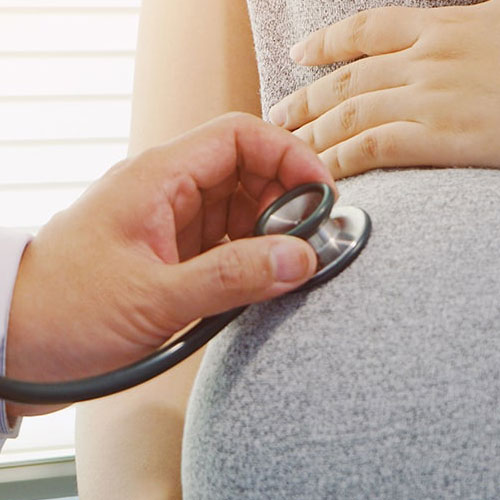
A high-risk pregnancy involves potential complications threatening the health of the mother or fetus, requiring specialized care, more frequent monitoring, and sometimes a maternal-fetal medicine specialist. Risks stem from pre-existing conditions (diabetes, high blood pressure), age (<17 or >35), or issues developing during pregnancy.
Key Factors and Causes :
Pre-existing Health Conditions : Chronic high blood pressure, diabetes, thyroid disease, autoimmune diseases (lupus, MS), kidney disease, or cancer.
Pregnancy-Related Conditions : Gestational diabetes, pre-eclampsia (high blood pressure), or Rh sensitization.
Maternal Age : First pregnancy at age 35 or older, or 17 and younger.
Lifestyle and Body Weight : Obesity (increases risk for pre-eclampsia, stillbirth, neural tube defects) and habits like smoking or alcohol use.
Pregnancy Factors : Multiple births (twins, triplets), premature labor, or history of pregnancy losses.
Management and Symptoms :
Management : Specialized care from maternal-fetal medicine specialists (perinatologists), more frequent ultrasounds, and diagnostic testing.
Symptoms to Monitor : Vaginal bleeding, persistent headaches, decreased fetal movement, severe abdominal pain, dizziness, or vision changes.
Tips for Health : Early and regular prenatal care, avoiding harmful substances, managing weight, and managing chronic conditions.
What happens if pregnancy is high risk?
If your pregnancy is considered high-risk, it means that you or your baby might be more likely than usual to develop health problems before, during or after delivery. Due to that risk, you may need extra medical appointments or tests during your pregnancy.
What is the main cause of high-risk pregnancy?
The leading causes of a high-risk pregnancy may be related to a preexisting medical condition, lifestyle factors, pregnancy-related health concerns, or your history of previous pregnancies. Early prenatal care and evaluation of any of these risk factors can help you have as healthy and safe a pregnancy as possible.
How do I know I am high-risk pregnancy?
High-risk pregnancy warning signs requiring immediate medical attention include vaginal bleeding, reduced fetal movement (after 28 weeks), severe abdominal pain, persistent vomiting, high fever, sudden swelling of the face/hands, intense headaches, or visual changes. These symptoms may indicate complications like preeclampsia, preterm labor, or placenta issues.
When to Contact Your Doctor?
Any sign that feels abnormal or "not right" should be reported immediately, as early intervention is crucial. If symptoms are severe, go directly to the emergency department.
What are the 9 danger signs of pregnancy?
If any of the following signs occur, the woman should be taken immediately to the hospital or health centre.
vaginal bleeding.
convulsions/fits.
severe headaches with blurred vision.
fever and too weak to get out of bed.
severe abdominal pain.
fast or difficult breathing.
Preventing high-risk pregnancies involves pre-conception planning, managing chronic conditions (diabetes, hypertension), maintaining a healthy weight, and adopting a healthy lifestyle. Key preventive steps include avoiding alcohol, tobacco, and drugs; taking folic acid/vitamins; and attending regular, early prenatal screenings.


Services Offered


Treatments

About Gynaecology

Chambers


Gallery
You can get all kind of photo & videos that related to Gynaecologist & Obstetrician, Laparoscopic, Infertility related Disease.

FAQ
You can get all kind of question and answer that related to Gynaecologist & Obstetrician, Laparoscopic, Infertility related Disease.

Contact
By simply registering with your details you can reach to the doctors and book appointments in advance.

Feedback
By simply registering with your details you can reach to the doctors and enquiry in advance.


MBBS. MD (O & G), Consultant Gynaecologist & Obstetrician, Laparoscopic Surgeon, Infertility Specialist
Contact Person : Dr. (Mrs.) Chaitali Roy
CD-19, Saltlake, Sector - I,
Near City Center - I,
Kolkata: 700 064, West Bengal, India.