
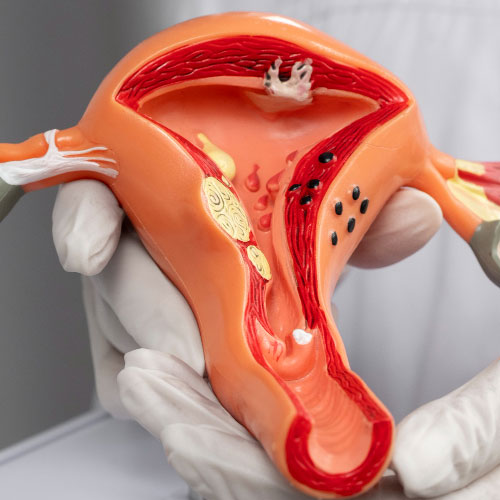
A myomectomy is a surgical procedure to remove uterine fibroids (leiomyomas) while preserving the uterus, making it a key treatment for patients who wish to maintain fertility. Unlike hysterectomy, it removes only the growths, reducing symptoms like heavy bleeding and pelvic pain. Procedures include laparoscopic, hysteroscopic, robotic, or open abdominal surgery.
Myomectomy is recommended when fibroids cause significant pain, heavy menstrual bleeding (menorrhagia), or infertility.
Is a myomectomy a major surgery?
Yes, an abdominal (open) myomectomy is considered major surgery. It involves a significant abdominal incision ("bikini cut"), general anesthesia, 1–2 nights in the hospital, and a 4–6 week recovery period. However, minimally invasive options like laparoscopic or robotic myomectomy are less invasive, though still considered specialized procedures.
What is a myomectomy surgery?
Myomectomy is a surgical procedure to remove uterine fibroids (leiomyomas)—noncancerous growths on the uterus—while leaving the uterus intact, acting as a fertility-preserving alternative to hysterectomy. It is used to treat heavy menstrual bleeding, pelvic pain, pressure, and infertility caused by fibroids. Common types include abdominal, laparoscopic, and robot-assisted approaches.
Recovery and Results :
Recovery Time : Varies by method; abdominal surgery usually takes 4–6 weeks, while laparoscopic methods may take 2–4 weeks.
Benefits : Relief from heavy bleeding and pain, improved fertility, and retention of the uterus.
Risks : Potential risks include bleeding, infection, scar tissue (adhesions), or the regrowth of new fibroids.
Will I get pregnant after a myomectomy?
The finding revealed that magnitude of fertility after myomectomy was significantly associated with age, number of incisions, location of incision, and infertility before surgery. Among female participated in this study 52.2% of the females got pregnant after myomectomy.
Can fibroids grow again after myomectomy?
Yes, uterine fibroids can grow back after a myomectomy. While the procedure removes existing fibroids, it does not remove the uterus or the underlying tendency for new ones to develop. Recurrence rates are estimated at 10–25% globally, with higher risks for younger patients or those with multiple, initial growths.
How painful is myomectomy surgery?
A myomectomy causes moderate to significant pain, which is manageable with medication and decreases daily. Pain levels depend heavily on the method: open surgery (laparotomy) is most painful, while laparoscopic, robotic, and hysteroscopic methods involve less discomfort. Recovery typically involves abdominal soreness, cramping, and sometimes shoulder pain from gas.


Services Offered


Treatments

About Gynaecology

Chambers


Gallery
You can get all kind of photo & videos that related to Gynaecologist & Obstetrician, Laparoscopic, Infertility related Disease.

FAQ
You can get all kind of question and answer that related to Gynaecologist & Obstetrician, Laparoscopic, Infertility related Disease.

Contact
By simply registering with your details you can reach to the doctors and book appointments in advance.

Feedback
By simply registering with your details you can reach to the doctors and enquiry in advance.


MBBS. MD (O & G), Consultant Gynaecologist & Obstetrician, Laparoscopic Surgeon, Infertility Specialist
Contact Person : Dr. (Mrs.) Chaitali Roy
CD-19, Saltlake, Sector - I,
Near City Center - I,
Kolkata: 700 064, West Bengal, India.