
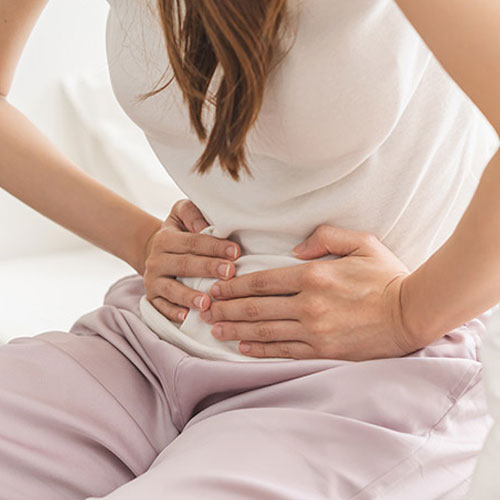
PCOD (Polycystic Ovarian Disease) and PCOS (Polycystic Ovary Syndrome) are common hormonal disorders affecting women's reproductive health, often involving irregular periods, acne, and weight gain. PCOD is less severe, often managed with diet and lifestyle changes. PCOS is a more serious, chronic metabolic/endocrine disorder linked to infertility and high insulin levels.
Key Differences Between PCOD and PCOS :
Definition : In PCOD, ovaries produce immature/partially mature eggs that can turn into cysts. In PCOS, the endocrine system causes ovaries to produce high levels of androgens (male hormones), resulting in numerous cysts.
Severity : PCOD is a "disease" often considered a temporary condition managed by lifestyle. PCOS is a "syndrome" or chronic metabolic disorder requiring long-term management.
Fertility: PCOD usually does not significantly affect fertility, with over 80% of women able to conceive. PCOS causes ovulation issues, making it difficult to conceive and increasing pregnancy risks.
Impact : PCOD is often linked to irregular cycles and weight gain. PCOS is linked to greater risks of type 2 diabetes, heart disease, and hypertension.
Key Aspects :
When to Seek Care : Consult a gynecologist if you have persistent acne, unexplained weight gain, severe hair loss/growth, or missed periods.
Diagnosis : Doctors typically use a combination of pelvic exams, blood tests for hormone levels, and ultrasound monitoring to diagnose these conditions.
How does PCOS affect life?
PCOS doesn't just affect your fertility. It can also other lead to other serious health problems, including: Difficulty losing weight: Women who have PCOS often have a hard time losing weight, which can increase their risk of heart attack, stroke, heart disease, diabetes, arthritis, and cancer.
Where is the pain with PCOS?
PCOS pain commonly manifests as chronic pelvic discomfort, lower abdominal pain, and dull back pain, often worsening during menstruation or due to ovarian cysts. Pain can also present as tenderness in the lower abdomen, pain during sexual intercourse, or discomfort related to bloating.
Can PCOS and PCOD get pregnant?
Yes, women with PCOD (Polycystic Ovarian Disease) and PCOS (Polycystic Ovary Syndrome) can get pregnant. While these conditions can cause irregular ovulation and infertility, most women with them can conceive, often with lifestyle changes, such as maintaining a healthy weight, and medical treatments like ovulation induction or IVF.
How to remove PCOD problem?
While PCOD (Polycystic Ovarian Disease) cannot be permanently cured, it is effectively managed through lifestyle changes, including a low-carbohydrate, fiber-rich diet, regular exercise (yoga, cardio), and weight loss. These measures reduce insulin levels and improve hormonal balance, alleviating symptoms like irregular periods and acne.


Services Offered


Treatments

About Gynaecology

Chambers


Gallery
You can get all kind of photo & videos that related to Gynaecologist & Obstetrician, Laparoscopic, Infertility related Disease.

FAQ
You can get all kind of question and answer that related to Gynaecologist & Obstetrician, Laparoscopic, Infertility related Disease.

Contact
By simply registering with your details you can reach to the doctors and book appointments in advance.

Feedback
By simply registering with your details you can reach to the doctors and enquiry in advance.


MBBS. MD (O & G), Consultant Gynaecologist & Obstetrician, Laparoscopic Surgeon, Infertility Specialist
Contact Person : Dr. (Mrs.) Chaitali Roy
CD-19, Saltlake, Sector - I,
Near City Center - I,
Kolkata: 700 064, West Bengal, India.